
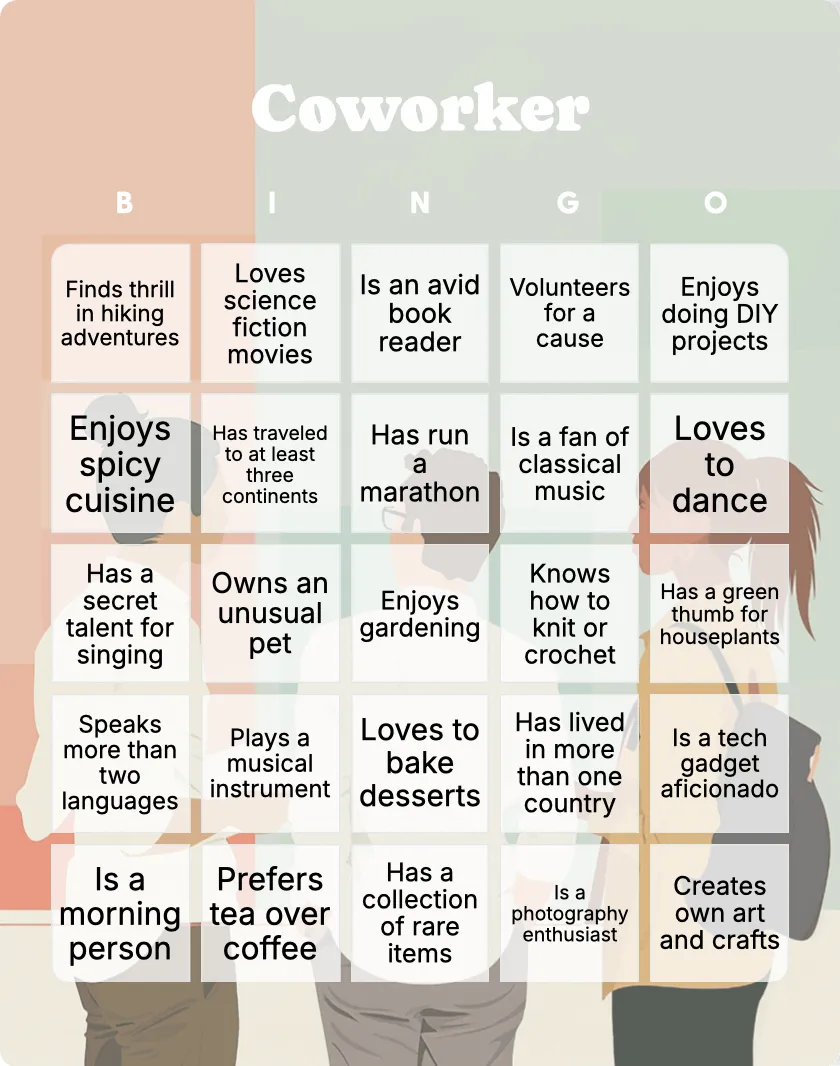
Let’s be honest — corporate icebreakers can feel like a slow, awkward dance. You know the kind: “Tell us your name and your favorite pizza topping.” Cringe, right? But here’s the thing — bingo? It’s different. It sneaks up on people. It’s familiar, a little nostalgic, and honestly, it works like a charm for breaking down walls.
I’ve seen it happen. A room full of stiff shoulders and forced smiles suddenly loosens up when someone yells “Bingo!”. It’s not just luck. It’s the game’s weird power to mix chance with connection. Let’s dive into why bingo might be the best icebreaker you’ve never tried — and how to make it sing for your team.
Why Bingo? The Surprising Psychology Behind It
Think about it. Most icebreakers force people to perform — share a story, do a silly dance, or remember names under pressure. That’s anxiety fuel. Bingo, on the other hand, is low-stakes. You just listen, mark a square, and maybe laugh when someone’s square says “Has a pet iguana.”
It levels the playing field. The CEO and the intern both need the same thing: a lucky number. That shared vulnerability? It’s gold. It sparks natural conversations. People lean over and whisper, “Wait, you actually have a pet iguana?” And boom — connection.
Plus, there’s a dopamine hit with every marked square. That little rush keeps engagement high. You’re not just sitting there — you’re hunting. It’s active, not passive. And for remote teams? Even better. Virtual bingo tools let you play across time zones without the awkward silence.
The “Human Bingo” Twist: More Than Numbers
Here’s where it gets really good. Ditch the numbered balls. Instead, create a grid of personal traits or experiences. Things like “Has visited more than 10 countries” or “Speaks two languages” or “Once met a celebrity.” Players have to find colleagues who match each square.
This forces movement — and real talk. People have to walk around (or hop on a call) and ask questions. It’s structured enough to avoid chaos, but loose enough to feel organic. I’ve seen introverts light up when they find someone who shares their love for obscure 80s bands. It’s magic, honestly.
How to Set Up Corporate Bingo That Actually Works
Alright, let’s get practical. You can’t just hand out cards and hope for the best. A little planning goes a long way. Here’s a step-by-step that’s worked for me — and for teams I’ve coached.
- Define your goal. Is it just fun? Or do you want to uncover hidden skills? Maybe it’s about cross-department networking. Pick one focus.
- Customize the squares. Mix work-related items (e.g., “Has led a project with marketing”) with personal ones (e.g., “Has a twin”). Keep it light, not invasive.
- Choose your format. In-person? Use printed cards. Remote? Try platforms like Bingo Baker or even a shared Google Sheet with conditional formatting.
- Set a time limit. 15–20 minutes is sweet spot. Too short feels rushed; too long kills momentum.
- Offer a tiny prize. A coffee gift card, a funny trophy, or even just bragging rights. Keep it playful, not competitive.
One thing I’ve learned: don’t over-explain the rules. People know bingo. Just say, “Find someone who matches the square, get their signature, and yell when you have five in a row.” Simple.
Sample Bingo Card Ideas (For Inspiration)
| Square Category | Example Item | Why It Works |
|---|---|---|
| Work Experience | “Has worked at the company for over 5 years” | Bridges seniority gaps |
| Hobbies | “Plays a musical instrument” | Reveals hidden talents |
| Quirky Facts | “Has a fear of clowns” | Starts funny conversations |
| Travel | “Has visited all 50 states” | Encourages storytelling |
| Food | “Loves pineapple on pizza” | Debate fuel (in a good way) |
Mix it up. Don’t make every square too easy or too hard. You want a few “gimmes” (like “Drinks coffee daily”) and a few “stretch” ones (like “Has run a marathon”). That balance keeps people moving.
The Remote Team Twist: Virtual Bingo That Doesn’t Suck
Remote icebreakers are a whole different beast. You can’t just hand out cards. But bingo adapts surprisingly well. Use a shared digital board — each person gets a unique card. Then, instead of calling numbers, you call out the traits. Players DM each other to confirm matches.
I’ve seen teams use Slack for this. Someone posts, “Who here has a cat named after a food?” and the chat explodes. It’s chaotic in the best way. The key is to keep it fast-paced. Use a timer. And have a leaderboard — people love seeing who’s closest to a bingo.
One pro tip: pre-assign “bingo buddies” for remote teams. Pair people who don’t usually interact. That way, the game forces cross-pollination. Otherwise, you’ll just get clusters of the same department talking to each other. Kinda defeats the purpose, you know?
Common Pitfalls (And How to Dodge Them)
Sure, bingo is simple — but it can still flop. Here’s what I’ve seen go wrong:
- Too many squares. A 5×5 grid is fine. Anything bigger feels like homework.
- Awkward prompts. Avoid anything too personal or controversial. “Has a tattoo” is fine. “Has been divorced” is not.
- No debrief. After the game, let people share one cool thing they learned. That cements the connections.
- Forcing participation. Some people hate games. Let them observe. They’ll often join in once they see others laughing.
And here’s a weird one: don’t play music that’s too loud. I once saw a team bingo session where the playlist was so thumping, people couldn’t hear each other. Total fail. Keep it chill — maybe some low-fi beats.
Measuring Success: Did It Actually Work?
You don’t need a formal survey. Just watch the room — or the chat. Are people still talking after the game? Are they exchanging contact info? That’s the win. I’ve seen teams schedule follow-up coffee chats because of a bingo connection. That’s real ROI.
If you want numbers, track participation rate. Aim for 80%+ engagement. Also, note how many cross-department connections happen. That’s a metric that matters for silo-busting.
Final Thoughts: Why Bingo Sticks
Look, no icebreaker is perfect. But bingo has this weird, almost accidental way of making people feel seen. It’s not about winning — it’s about the “aha” moment when you discover a colleague’s hidden talent or shared weird hobby. That sticks. It humanizes the office.
So next time you’re planning a team event, skip the trust falls. Grab some bingo cards — digital or paper — and let the chaos unfold. You might just hear laughter you didn’t know your team had.
And hey, if someone yells “Bingo!” a little too loud? That’s a good sign.


